Altitude Sickness on a Colorado Elk Hunt
One in four visitors sleeping above 8,000 feet in Colorado gets altitude sickness, and fitness does not protect you. How to plan an elk camp around it.
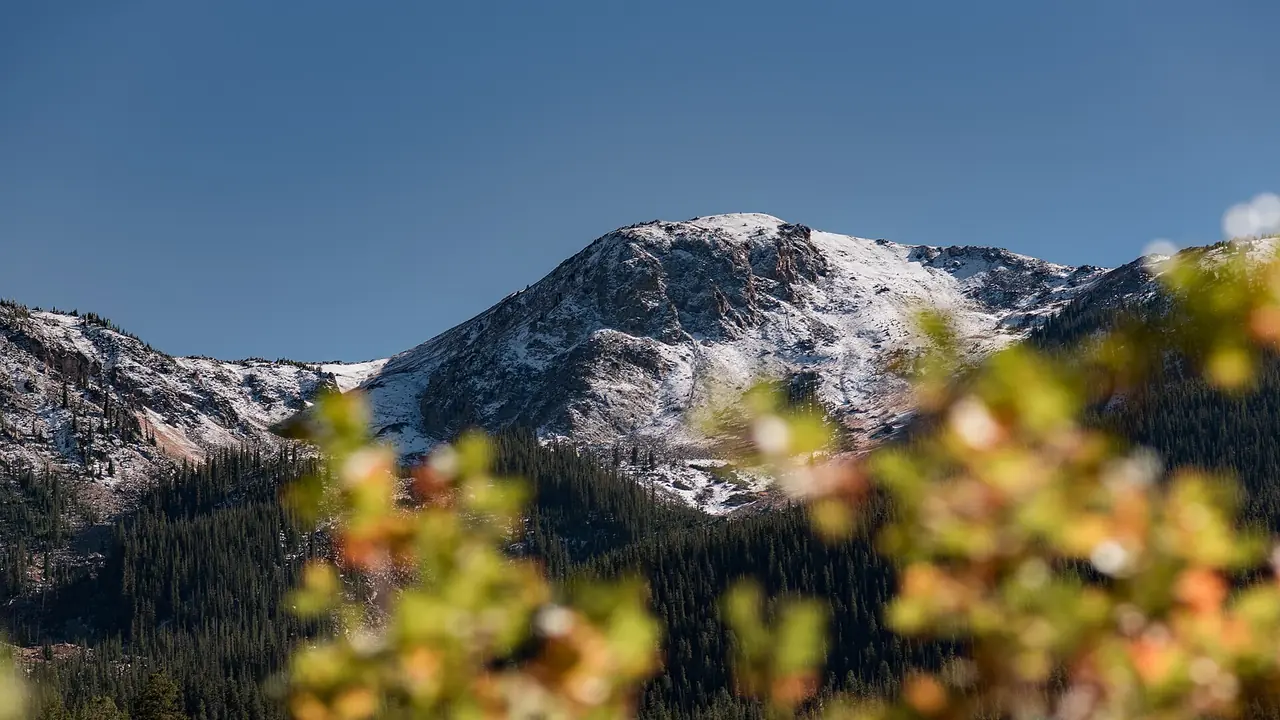
A hunter who drives from near sea level and sleeps at an elk camp the next night has done the one thing the medical guidance says not to do. Altitude ends more first Colorado hunts than weather or elk do, and it is almost entirely a planning problem.
This guide reports what the U.S. Centers for Disease Control and Prevention says in its travel medicine reference. It is not medical advice. If you have a heart or lung condition, or you have been sick at altitude before, talk to a doctor before the trip.
How common it is
The CDC puts a number on Colorado specifically: acute mountain sickness affects 25% of all visitors sleeping at altitudes above 8,000 feet in Colorado. [1]
Any traveler who is not acclimatized and goes to a sleeping altitude of 8,000 feet or more, and sometimes lower, is at risk. [1]
Most Colorado elk camps sit above that line. Elk ground in the rifle seasons commonly runs from 8,000 feet to above 11,000. You can see the low and high elevation of any unit on its page, or all of them in the public land by unit table.
Being fit does not protect you
This is the finding that surprises hunters who trained all summer. The CDC states it flatly: training and physical fitness do not affect risk. [1]
Other things it says about who gets sick:
- Children are as susceptible as adults. People over 50 have slightly less risk. [1]
- Susceptibility is partly inherited, and there is no simple screening test. [1]
- The best guide is how you did last time, but only if the altitude and the rate of ascent were similar. [1]
Fitness still matters for the hunt. It decides how far you can walk and how much you can carry. It does not decide whether your head is pounding on the first morning.
What it feels like
The CDC describes the early symptoms as the same as a hangover. [1]
- Acute mountain sickness. Headache is the main sign, usually with one or more of: loss of appetite, dizziness, fatigue, nausea, sometimes vomiting. It usually starts 2 to 12 hours after arriving at altitude or after climbing higher. [1]
- Swelling of the brain (HACE). Confusion, drowsiness, altered mental state, and loss of coordination, such as not being able to walk a straight line. Coma can follow within 24 hours of onset. [1]
- Fluid in the lungs (HAPE). It starts with chest congestion, cough and getting far more out of breath on effort than you should. Over one to two days it can become breathlessness at rest. [1]
The last two are emergencies. The treatment is to go down, at once, and get medical help.
How to plan the trip around it
The CDC's advice is about where you sleep and how fast you get there. [1]
- Do not go from low elevation to a sleeping altitude above 9,000 feet in one day. Low here means under about 4,000 feet. [1]
- Above about 10,000 feet, raise your sleeping altitude by no more than 1,600 feet a day, and add an extra day for every additional 3,300 feet. [1]
- Avoid alcohol for the first 48 hours. [1]
- Do only mild exercise for the first 48 hours. [1]
- Ask a doctor about acetazolamide if a fast ascent cannot be avoided. It is a prescription medicine the CDC lists for speeding acclimatization. [1]
For an elk hunter coming from out of state, that turns into a simple schedule:
- Arrive two nights early if you can. Sleep the first night in a town at 5,000 to 7,000 feet, on the way in.
- Set camp, then do camp chores. Use the first day at camp elevation to glass, check the truck spot and walk the first part of your route in daylight. Do not make the first day the longest day.
- Camp low, hunt high where the ground allows. What counts is the altitude you sleep at. A camp at 8,500 feet with seats at 9,800 is easier on the body than a camp at 9,800.
- Drink water and eat, even with no appetite. The CDC's rules are about ascent and rest, but a hunter who is also dehydrated and underfed will feel worse and decide worse.
The three rules if someone gets sick
The CDC gives three rules, and they are worth saying aloud in camp on the first night: [1]
- Know the early symptoms and be willing to admit when you have them.
- Never go up to sleep at a higher altitude while you have symptoms.
- Go down if the symptoms get worse despite rest or treatment.
Acute mountain sickness improves quickly with a descent of 1,000 feet or more. [1] On most hunts that is a drive back down the road you came in on. Know before the trip how long that drive is and whether your phone works at camp.
What this does not tell you
- The 25% figure is for visitors sleeping above 8,000 feet in Colorado. It is not a figure for hunters, and hunters work harder and sleep rougher than most visitors.
- The CDC's schedule is written for travelers in general. It does not account for carrying a heavy pack or for a week of short sleep.
- Nothing here replaces a doctor's advice for your own health.
FilledTag builds one exact plan for your tag, and gives the elevation of the truck spot, the camp and every seat, with the climb on each walk, so you know before you leave what altitude you will sleep and hunt at. Custom plans are available at https://www.filledtag.com/plans.html.
Sources
- Centers for Disease Control and Prevention, CDC Yellow Book: Health Information for International Travel, High-Altitude Travel and Altitude Illness. https://www.cdc.gov/yellow-book/hcp/environmental-hazards-risks/high-altitude-travel-and-altitude-illness.html
Have a tag for this fall?
FilledTag builds one exact plan for it: where to park, camp and sit, with every pin checked against public land and road rules. Custom plans start at $39.