Collins Marsh Wildlife Area: hunting and access
Collins Marsh Wildlife Area is 4,319 acres of land managed by the Wisconsin DNR in Manitowoc County, next to Collins. The DNR's page for it names pheasants and rabbits and squirrels among the game here. Hunters registered 4,513 deer in Manitowoc County in 2025.
Data updated October 2026. Area facts: the DNR's DNR property data, read 2026-10. Harvest: DNR Deer Metrics.
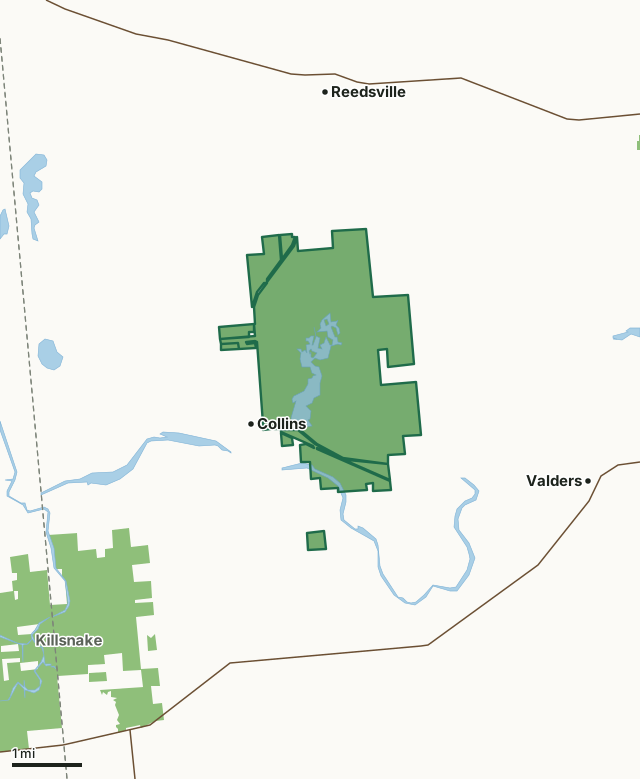
State wildlife areas, forests and other DNR landCollins Marsh Wildlife AreaCounty lineLakeHighway
| Size | 4,319 acres in 8 pieces |
|---|---|
| County | Manitowoc County |
| Deer Management Unit | Manitowoc County |
| DNR lists for hunting | pheasants and rabbits and squirrels |
| Public access (DNR) | Open to Hiking, Fishing, Hunting and Trapping |
| DNR property page | Collins Marsh Wildlife Area |
| Nearest towns | Collins (next to it), Reedsville (2 mi) and Valders (2 mi) |
What is Collins Marsh Wildlife Area like?
Collins Marsh Wildlife Area is a 4,200-acre property located in Manitowoc County. Find it approximately 12 miles west of Manitowoc and 2 miles south of Reedsville. You can access the property from the west from County Highway W; from the south on County Highway JJ; from the east by Quarry, Einberger and Collins Marsh roads; and from the north by Hilltop Road. The property is comprised mostly of marsh, wetlands, grasslands and bottomland hardwood forest. Collins Marsh Wildlife Area contains a 915-acre wildlife refuge area intended to provide a haven for fall migration of waterfowl as well as a variety of other wetland loving birds. Refuge areas such as Collins Marsh are vitally important to allow waterfowl a resting area to escape hunting pressure and pack in the necessary nutrition needed to sustain themselves during the long trek south.
In 1946, the Wisconsin Conservation Department, now the Department of Natural Resources, leased the marsh and surrounding uplands as public hunting grounds. A land purchase program was initiated in 1959. A local organization, Conservation Education Inc., raised more than $20,000 toward the purchase of Collins Marsh Wildlife Area. During the 1960s, the department installed a dam across Mud Creek, which impounded water and maintained marsh conditions year round. This impoundment proved to be an important Canada geese migration destination that is still utilized today. Managers created smaller impoundments in the 1980s and early 1990s to add more wetland habitat. Collins Marsh is managed primarily for wetland wildlife. A variety of birds make the marsh their home, including osprey, herons, black terns, marsh wrens, sedge wrens and yellow-headed blackbirds.
In the DNR's words, from its page for the property.
What can you hunt on Collins Marsh Wildlife Area?
The DNR's page for Collins Marsh Wildlife Area names pheasants and rabbits and squirrels. Each follows Wisconsin's statewide season and, for deer, the tags and rules of the deer management unit.
What are the rules on Collins Marsh Wildlife Area?
The DNR's property map lists Collins Marsh Wildlife Area as "Open to Hiking, Fishing, Hunting and Trapping". Hunting follows Wisconsin's statewide seasons and the rules posted on the property.
Activities the DNR lists for Collins Marsh Wildlife Area: Birding, Canoeing, Kayaking ( New boat launch location ), Cross-country skiing (no designated trail), Fishing, Hiking (no designated trail), Snowmobile trail, Trapping, Wild edibles/gathering (wild rice) and Wildlife viewing.
How many deer are taken around Collins Marsh Wildlife Area?
Collins Marsh Wildlife Area lies in Manitowoc County. The DNR registered 4,513 deer in Manitowoc County in 2025, against 4,262 in 2024.
| DMU | Collins Marsh Wildlife Area acres in it | Deer, 2025 | Deer, 2024 | Deer, 2023 |
|---|---|---|---|---|
| Manitowoc County | 4,319 | 4,513 | 4,262 | 4,130 |
Harvest for the whole deer management unit, not the property alone: Wisconsin DNR Deer Metrics (registered harvest by deer management unit).
How do you get to Collins Marsh Wildlife Area?
Nearest towns: Collins (next to it), Reedsville (2 miles), Valders (2 miles) and Clarks Mills (3 miles). Highways within 5 miles: US 151, US 10 and WI 67.
What other public land is near Collins Marsh Wildlife Area?
DNR properties within 10 miles:
- Killsnake Wildlife Area: 7,008 acres, 2.3 miles away
- Brillion Wildlife Area: 4,902 acres, 5 miles away
- Fox River State Trail: 292 acres, 8.9 miles away
Public land within 3 miles of Collins Marsh Wildlife Area
Counting Collins Marsh Wildlife Area itself, 4,939 of the 46,612 acres within 3 miles of its boundary are public land open to the public (10.6%), by USGS PAD-US 4.1 (fee land open to the public).
| Manager | Acres within 3 miles |
|---|---|
| State wildlife areas, forests and other DNR land | 4,939 |
Questions hunters ask
Where is Collins Marsh Wildlife Area?
In Manitowoc County, next to Collins. The DNR's property page has its maps and parking.
Is Collins Marsh Wildlife Area open to hunting?
Yes. The DNR's property map lists it as "Open to Hiking, Fishing, Hunting and Trapping". Posted refuges or closed areas, where there are any, are marked on site.
Which deer management unit is Collins Marsh Wildlife Area in?
Manitowoc County.
How much public land is around Collins Marsh Wildlife Area?
4,939 acres within 3 miles of its boundary, Collins Marsh Wildlife Area included, by PAD-US 4.1. The closest other DNR property is Killsnake Wildlife Area (2.3 miles).
Get a Wisconsin hunt plan when they open
Hunt plans for Wisconsin are coming. Join the list and you'll hear first. The first 50 hunters in each new state get their plan free.
Until then, the free FilledTag app for iPhone has a map that works in every state, Wisconsin included.
Where these facts come from
- Area description, species, rules and directions: DNR, Collins Marsh Wildlife Area; Wisconsin DNR managed lands open to hunting.
- Boundary and acres: the DNR's map layer above. Surrounding public land: USGS PAD-US 4.1 (fee land open to the public).
- Deer harvest: Wisconsin DNR Deer Metrics (registered harvest by deer management unit).
FilledTag is not part of the Wisconsin Department of Natural Resources. Check the DNR's rules and posted signs before you go.