How to Choose a Colorado Elk Unit for a First Hunt
A plain way for a first-time hunter to narrow Colorado's elk units by license type, public land, crowding, past harvest and drive time.
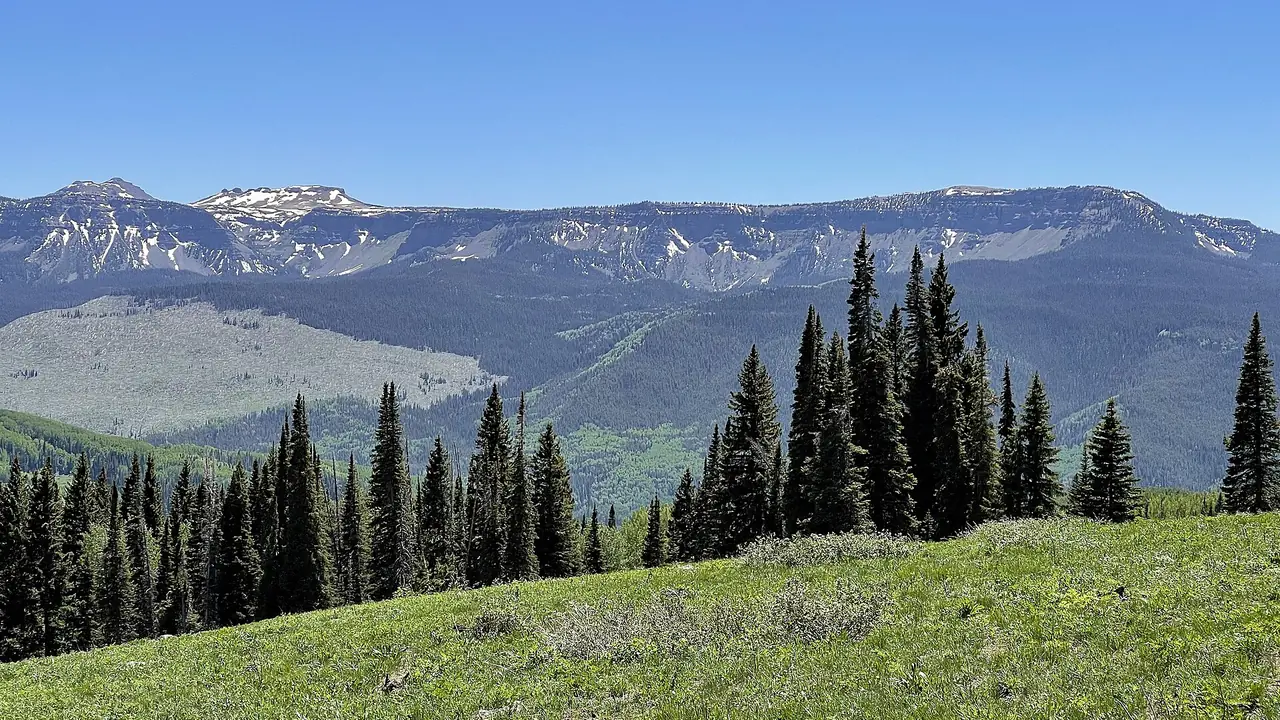
Colorado is divided into game management units, and a newcomer faces a long list of them. Most of that list can be crossed off with five questions. This page walks through them in order.
The rules here come from the 2026 Colorado Parks and Wildlife (CPW) Big Game brochure. The advice on weighing one unit against another is our reasoning. It is not data, and it does not predict what you will find. Confirm every rule in the current brochure before you buy or hunt.
Question 1: which license can you actually get?
This removes the most units, so start here.
The brochure describes two routes. Limited licenses are issued for specific units and dates through a draw. Over-the-counter (OTC) licenses are sold without a draw.
For a first rifle hunt bought this year, the OTC bull license is the one within reach. The brochure lists it for the second rifle season (Oct. 24 to Nov. 1) and the third rifle season (Nov. 7 to 15), and only in the units it names. A unit that is not on that list needs a drawn license.
- The list is on our Colorado OTC elk units 2026 page.
- Units 54, 55 and 551 left the OTC list in 2026.
If you are willing to apply and wait, the choice is wider. But the brochure marks some hunt codes with a plus sign. Those take an average of six or more preference points for a resident to draw, and up to 20 percent of their licenses may go to nonresidents.
Question 2: how much land can you legally walk on?
A valid license is not access. The brochure is blunt about this.
- Private land does not need to be posted or fenced.
- Trespass is the first item on CPW's list of common violations, and can bring a suspension of up to five years.
The brochure also warns that most land is private in units east of I-25. The plains OTC elk license covers those units. For a do-it-yourself hunter with no landowner contact, they are usually the wrong place to start.
So look at the share of public land next. Each elk unit page shows the share of the unit that is national forest and BLM land. Our reasoning: for a first hunt, a large share of public land forgives mistakes. You can move when a spot does not work.
A high share is still only a share. It does not tell you which roads are open or which trailheads reach the public ground. Check that separately.
Question 3: how crowded will it be?
OTC licenses are unlimited in number. Deer and bear hunters also share the second, third and fourth rifle seasons with elk hunters, as the brochure notes.
The unit pages show hunters by season from CPW's harvest estimates. Compare the same season across the units on your short list.
Our reasoning on how to read it:
- Hunter numbers cover the whole unit, private land included. They do not tell you how many trucks will be at one trailhead.
- How far you are able and willing to walk changes what a crowded unit means for you.
Question 4: what does the past harvest say, and why can it mislead?
Success rate is the number everyone looks at first. It is harvest divided by hunters, for one past year, across the whole unit.
It misleads in a few ways.
- It includes private land. A unit can show a strong figure because of hunts on ranches you cannot enter.
- It mixes seasons and license types. The all-rifle total can include late and private-land seasons. Use the row for your own season.
- It is one year. A single season's figure can swing for reasons that will not repeat.
- It describes a group, not you. It says nothing about a first-timer on public land this year.
Use it as a tiebreaker between two units that already pass the first three questions. More on this in how to read Colorado unit harvest tables.
Question 5: how far is the drive?
A second or third rifle season is nine days. Every extra day on the road is a day not spent hunting or learning the ground.
Our reasoning: for a first trip, a closer unit you can reach a day early is worth more than a farther unit with a slightly better figure. The unit pages show the elevation range.
Unit rules to check before you commit
A few rules differ by unit. The brochure lists each of these.
- Antler point restrictions. Most OTC units require four points on one antler or a brow tine at least 5 inches long. A few do not. See page 36.
- Mandatory CWD testing. New in 2026 for elk taken in rifle seasons on selected hunt codes. The selected units are listed on page 41.
- Road closures. For example, the brochure flags a Forest Service closure on Hermosa Park Road in unit 74 from Sept. 8 to Oct. 13, 2026. Call the land management agency for current closures in your unit.
The numbers for each step are on the elk unit pages and deer unit pages. The sample plan shows what comes after a unit is chosen.
Get an exact plan for the unit you choose
FilledTag builds one exact plan for your tag: where to park, where to camp, and where to sit, with every pin checked against public land ownership and road rules. Check your hunt free in six quick answers; plans start at $39, with a full refund if no legal plan fits.
This is our first season, so the plans are unproven. Treat the plan as a starting point and verify everything on the ground, including access, closures and land ownership. No plan can promise an elk.
Sources
- Colorado Parks and Wildlife, 2026 Colorado Big Game Hunting brochure, cpw.state.co.us/big-game-brochure: unit 74 closure and units 54, 55, 551 (What's New, page 1), game management units and shared rifle seasons (page 2), license types (page 3), nonresident license allocations (page 4), trespass (Illegal Activities, page 15), elk season dates, private land east of I-25 and the plus symbol (page 35), antler point restrictions (page 36), OTC rifle bull licenses and valid units (page 40), plains OTC license and CWD mandatory units (page 41).
- Unit figures on FilledTag pages come from CPW harvest estimates. See how to read Colorado unit harvest tables.
- The guidance on weighing units is FilledTag's reasoning, not CPW data.
Have a tag for this fall?
FilledTag builds one exact plan for it: where to park, camp and sit, with every pin checked against public land and road rules. Custom plans start at $39.